Slow Food & Hidden Cellars of the Mediterranean
Published by Editorial Staff on October 24, 2024 • 7 min read
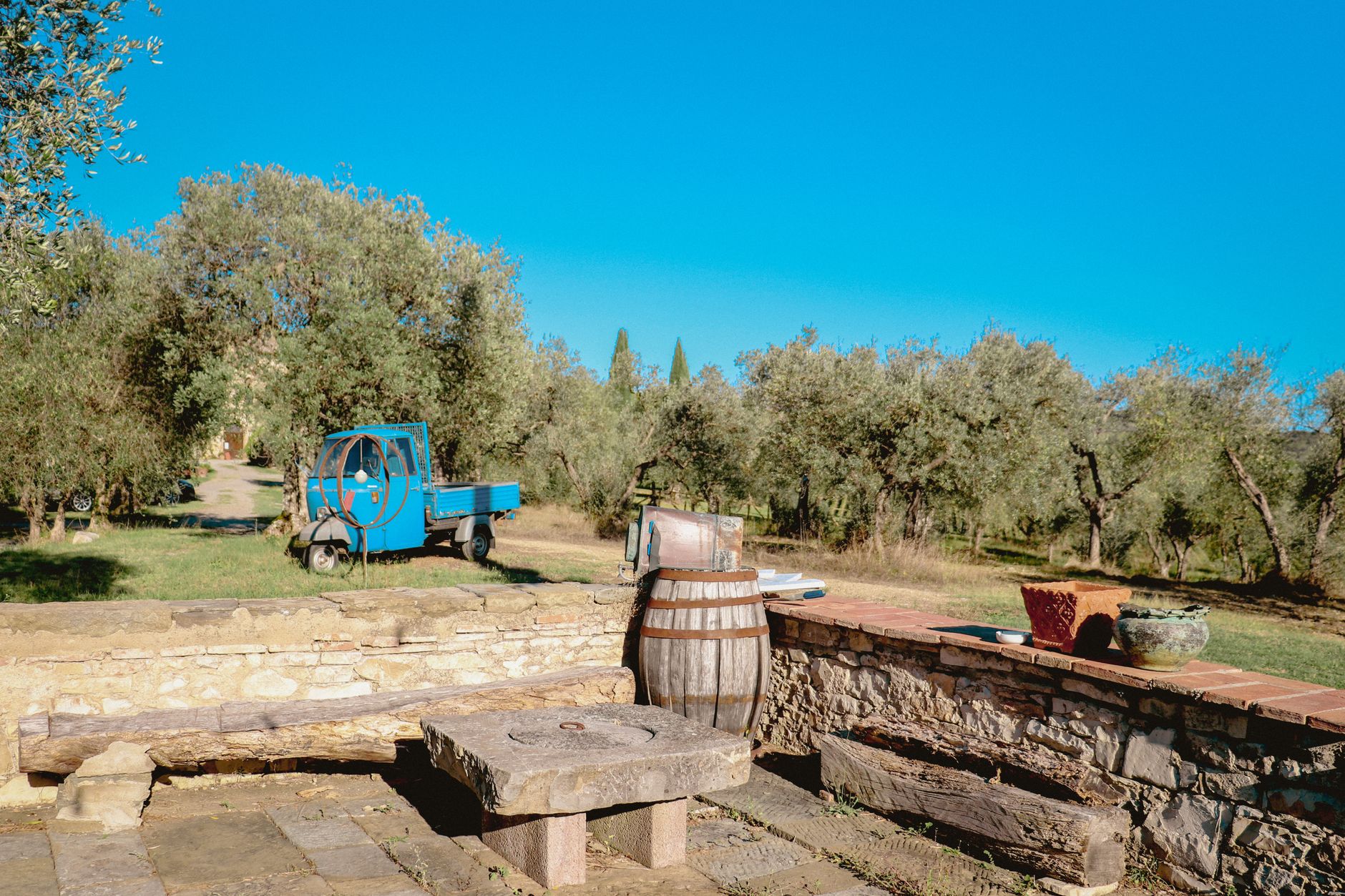
The salt air rises sharply off the limestone cliffs of the Ligurian coast, settling over hand-built drystone walls that have supported olive terraces for four centuries. In this secluded corner of the Mediterranean, time is marked not by digital schedules, but by the gradual ripening of Taggiasca fruit.
We met with Marco, a third-generation olive grower whose small family grove yields only several hundred liters each season. Unlike industrial operations, every batch is pressed cold within four hours of harvest using massive granite millstones that spin with a rhythmic, low hum.
The Geography of Pure Taste
Here, soil composition is everything. The sea wind infuses the coastal herbs—rosemary, wild fennel, and sea lavender—which in turn imparts subtle aromatic notes to the local olive oil and the vermentino wines aged in nearby subterranean cellars.
"When you treat the earth as an equal partner rather than a resource to deplete, it rewards you with subtlety that machines can never replicate."
A Living Culinary Blueprint
- Patience over Volume: Fermentation processes are allowed to develop without chemical acceleration.
- Hyper-Local Sourcing: Fish caught at dawn from wooden gozzi boats, paired with greens foraged along sea cliffs.
- Preservation of Heritage Vines: Avoiding monoculture in favor of ancient regional grape varietals resilient to drought.
As the sun sets, casting long amber shadows across the stone arches, a meal unfolds slowly: crusty sourdough, unfiltered oil shimmering gold-green in ceramic bowls, and crisp white wine echoing the mineral tones of the coastal rocks. In these quiet valleys, slow food is not a marketing term—it is simply how life has always breathed.